
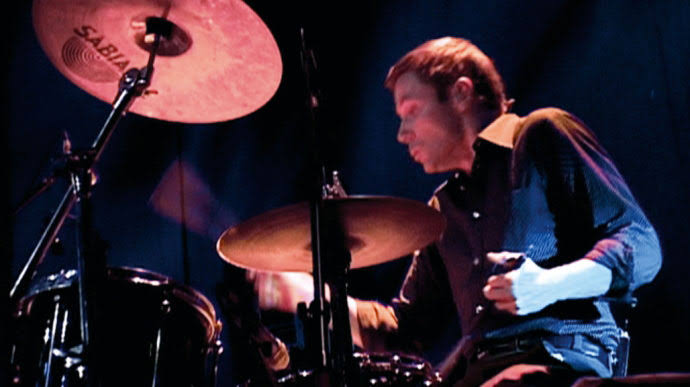
In a deeply emotional twist for fans, Nick Cave and the Bad Seeds have been hit hard by the loss of their long-time drummer Thomas Wydler, a presence as steady as he was influential within the band. Wydler’s contribution to the group stretched over decades, having joined them in the mid-1980s, a time when the band’s music was often as volatile as it was poetic. Known for his restrained yet intense style, Wydler was instrumental in shaping the soundscapes of some of the group’s most iconic works, like Murder Ballads and Push the Sky Away, providing a rhythmic backbone that elevated Cave’s raw, brooding lyrics into the haunting and layered compositions that defined the Bad Seeds’ identity.
This loss resonates not just because of the friendship and musical bond between Wydler and Cave but also because Wydler’s artistry left an indelible mark on the band’s sound and vision. In the grittier, more chaotic periods of the band, Wydler’s drumming was a grounding force, helping Cave and the others channel their intense creative energy into something cohesive and resonant. For instance, on the eerie and atmospheric tracks of Murder Ballads, Wydler’s ability to maintain an unsettling pulse allowed Cave’s dark storytelling to unfold in all its visceral detail, turning themes of death and despair into musical experiences that were as beautifully haunting as they were unnerving. Tony Cohen, a close collaborator, noted that the sessions for Murder Ballads were vibrant, with an almost playful but dark energy where everyone contributed to a kind of “Moron Tabernacle Choir” feel—energetic, chaotic, yet fully unified. Wydler’s drumming was central to this intricate dynamic, steering the rowdy vibe into a harmonious and unforgettable sound.
Fans and critics have highlighted that this loss marks a turning point for the Bad Seeds, signaling the end of an era. As the band evolved, Wydler’s rhythm adapted with them, shifting from the dark energy of the early works to the more contemplative, stripped-back rhythms that defined their later albums like Skeleton Tree and Ghosteen. These albums, especially after the tragic loss of Cave’s son, were deeply introspective, and Wydler’s minimalist drumming style provided the perfect backdrop for Cave’s exploration of grief and healing. His work was no longer just about rhythm; it became a way of echoing the emotional weight that permeated Cave’s more recent compositions. Without Wydler’s subtle brilliance, it’s difficult to imagine how the band will navigate the intricate balance of sound and silence that has come to define their music over recent years.
Beyond his role as a drummer, Wydler was a close friend to Cave, sharing countless experiences and creative highs and lows. In interviews, Cave has often spoken of the unique bond within the Bad Seeds, a group where individual contributions were respected and even celebrated. Wydler’s departure leaves a void that goes beyond musicianship; it’s a personal loss that reverberates through the entire group. This connection, forged through years of creating music that pushed boundaries and challenged conventions, makes the loss even more personal for the band and their fans.
For Nick Cave and his bandmates, the task of moving forward without Wydler’s steady hand will be challenging. However, the Bad Seeds are no strangers to reinvention. Just as they have evolved musically, fans may expect the band to once again transform in response to this tragedy. Although Wydler’s presence will be deeply missed, his influence will continue to shape the Bad Seeds’ legacy and inspire future music. With Cave known for his resilience and artistic depth, there’s little doubt that he’ll channel this loss into his work, perhaps marking a new phase for the band—one marked by remembrance and gratitude for Wydler’s lasting impact.
