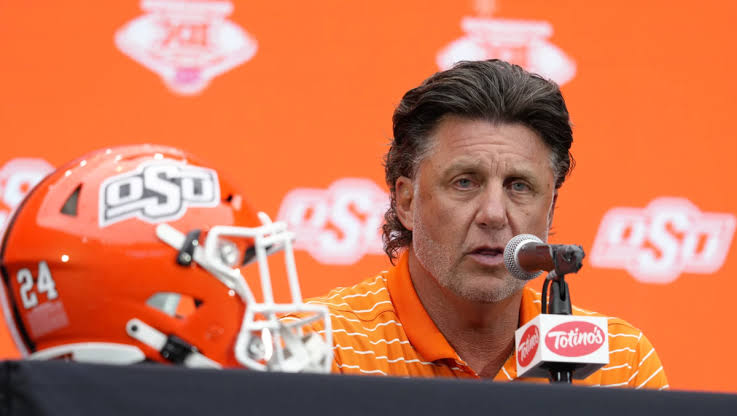
STILLWATER — Oklahoma State coach Mike Gundy was asked a variety of questions reflecting on the struggles of his team and the status of his program as it battles through a current six-game losing streak.
His answers went in several directions, including one particular idea that referenced unhappy fans.
After answering a question about how being involved with losing teams early in his assistant coaching career shaped his ability to manage the ups and downs of a season as a head coach, Gundy offered an 800-word monologue.
At one point, he referenced “weak” people who “want to point the finger and blame other people” when times are tough, later saying that they are “the same ones that can’t pay their bills.”
For context, here is the full answer from Gundy during his weekly news conference Monday afternoon:
“That’s why, in my opinion, I have to have a better feel for a broad picture of the organization in general. Kind of the synopsis of all of this is that this place has had tremendous success for 18 and a half years or 19. I can’t do the math real good, but unfortunately in life, most people are weak, and as soon as things start to not go as good as what they thought, they fall apart and they panic, and then they want to point the finger and blame other people. You see it happen in everyday life. People do it all the time. That’s why I refuse to watch the TV and watch the news, because I get tired of people complaining and b—– about this and that versus just doing something about it and trying to figure out a way to make it better.
Well, that’s what happens in college athletics. And as Jenni (Carlson) said, she’s exactly right: It’s just on the bigger stage where people can voice their opinion, and in most cases, the people that are negative and voicing their opinion are the same ones that can’t pay their own bills. They’re not taking care of themselves. They’re not taking care of their own family. They’re not taking care of their own job. But they have an obligation to speak out and complain about others because it makes them feel better. But then, in the end, when they go to bed at night, they’re the same failure that they were before they said anything negative about anybody else.